A practical path from insight to sustained improvement.
- 01Assess
Workforce Health & Risk Diagnostic
Establish a baseline for injury trends, job-risk exposure, work restrictions, claims processes, KPIs, and operational follow-through.
Explore the Diagnostic - 02Build
Workforce Health & Risk Operating System Build
Implement KPI scorecards, corrective-action workflows, job-demand and return-to-work processes, and leadership operating routines.
See what a build covers - 03Lead
Fractional Workforce Health & Risk Advisor
Maintain executive visibility, accountability, and ongoing improvement without adding a full-time senior leader.
Explore Fractional Advisory
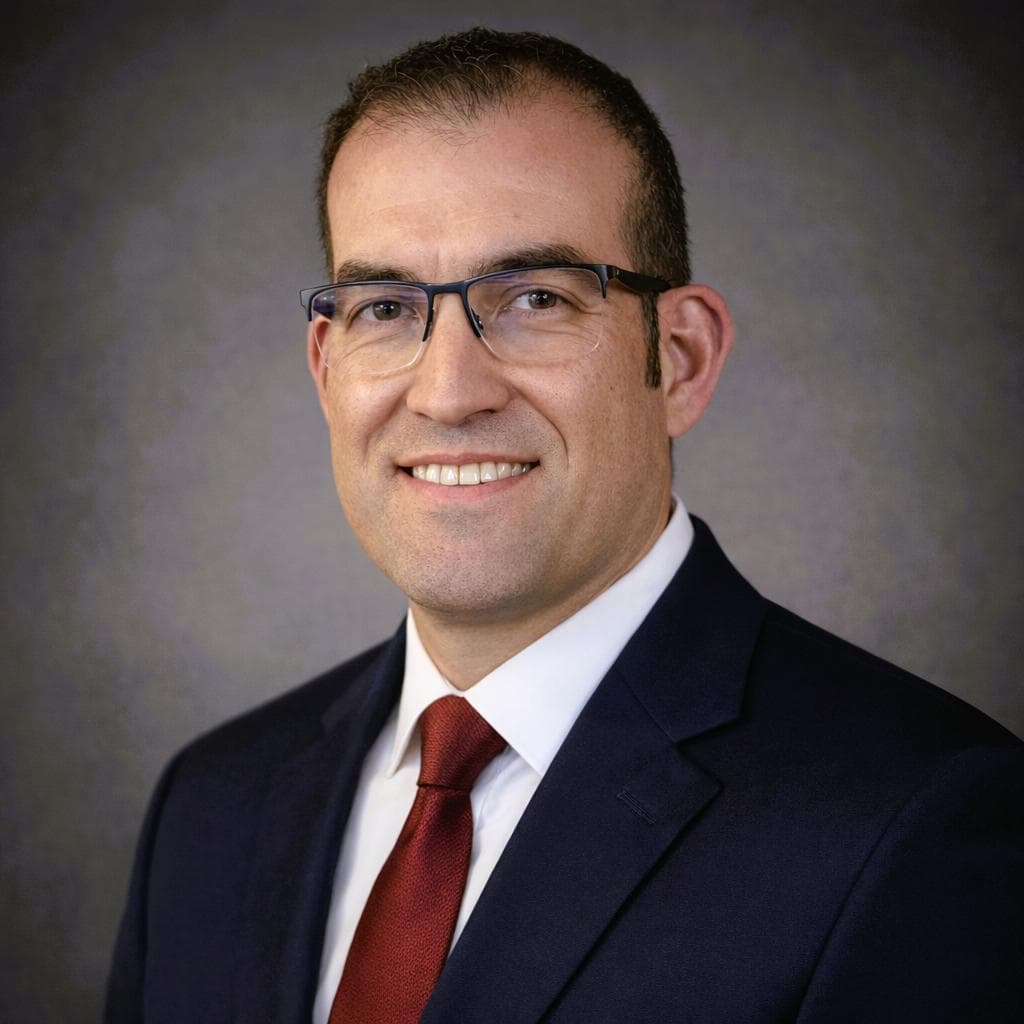
Christopher Torres
PT, DPT, OCS, CEAS
Built and Ran the Programs
Most Consultants Only Recommend
Christopher Torres built his expertise the hard way — running real operations, not consulting on paper. Over 26 years in physical therapy, he directed a group of 25+ clinics: hiring and developing clinical teams, managing multi-site budgets, and project-managing regional program rollouts across the Southeast. That’s the operating discipline he brings to every employer engagement.
He’s applied that same operational rigor to workforce injury prevention — job risk analysis, ergonomic programs, and OSHA injury strategy designed to actually get implemented, because he’s the one who’s had to staff and run programs like them himself. A Doctor of Physical Therapy with board certification in orthopedic physical therapy (OCS) and certified in ergonomics assessment (CEAS), his clinical depth backs up operational results — not the other way around.
DPT
Doctor of Physical Therapy
Regis University
OCS
Board Certified Orthopedic Clinical Specialist
ABPTS
CEAS
Certified Ergonomics Assessment Specialist
Areas of Expertise
Licensed Physical Therapist — North Carolina & South Carolina
Scope
Practical advisory, connected to the right specialists.
TWHP provides workforce-risk strategy, operating-system design, KPI development, leadership coaching, and implementation support. When specialized services are needed, we collaborate with qualified legal, industrial-hygiene, environmental, engineering, and clinical providers.
Next Step
Want a clearer view of workforce risk?
Start with a focused conversation about injury trends, work restrictions, job demands, and the routines that keep risk visible and addressed.